Sony – The Rise, the Fall, and the Reinvention
Part of the Tech History Series
Sony. For a name that once meant the future, it's strange how many people today barely notice it unless it's printed on a camera lens or a PlayStation. But the story of Sony is way more interesting than just electronics. It's a story of innovation, pride, mistakes, and quiet survival.
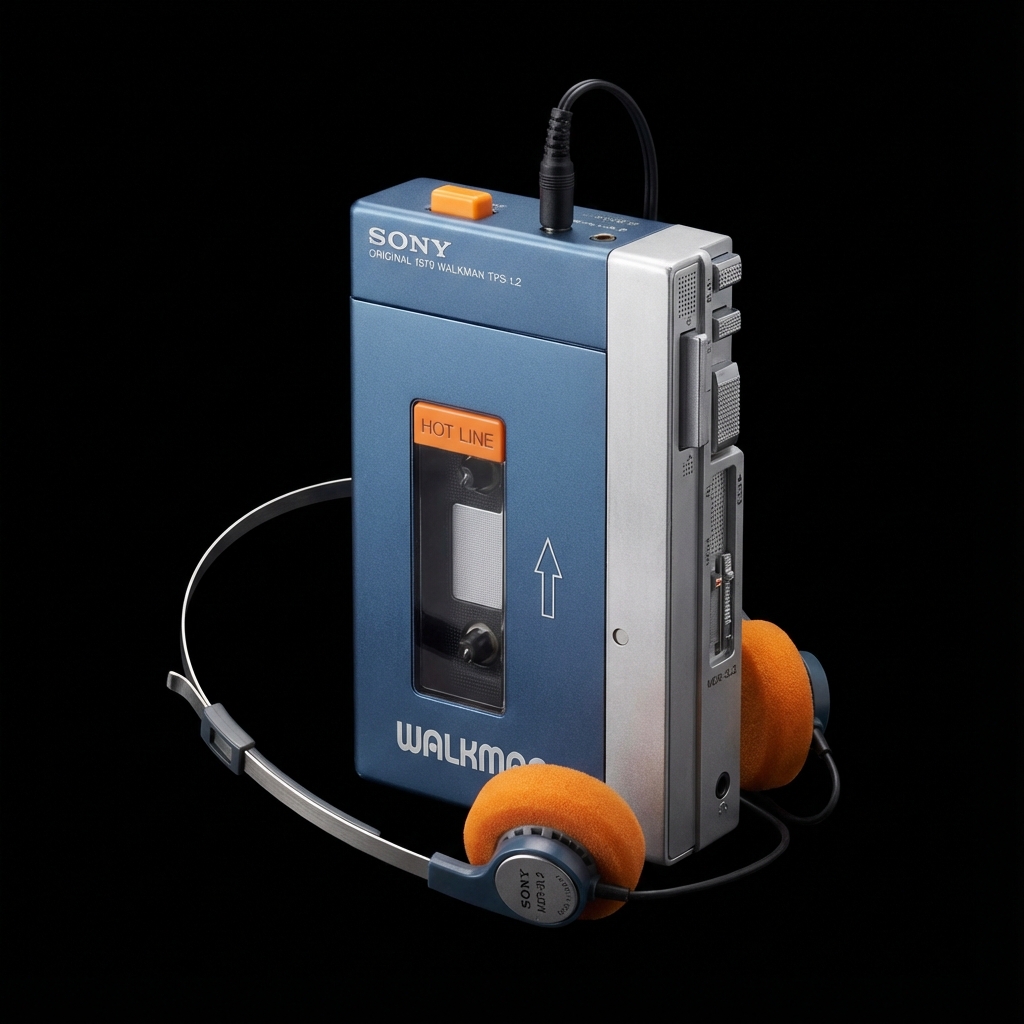
Sony began in 1946 in post-war Japan. It started small, just a few engineers trying to fix radios. But soon, it invented Japan's first tape recorder. Then came the game changer, the Walkman in 1979. Imagine a time when music was stuck in one place, and suddenly, you could carry it in your pocket. That was Sony's magic.
In the 80s and 90s, Sony dominated. TVs, CD players, camcorders, all built like tanks, all stylish. Then they gave us the PlayStation, which changed gaming forever.
But behind all that success, Sony started slipping.
They invented things that didn't catch on, like MiniDiscs. They kept making proprietary formats like Memory Stick when the world was going USB. Then came DRM (Digital Rights Management). Sony tried to protect its music CDs by secretly installing spyware on people's computers in 2005. That didn't just ruin trust, it became a full-blown scandal. They were literally sued for it.
While Apple made iPods simple and clean, Sony got lost in its own complications. Instead of adapting, they stuck to their own systems, even when the market moved on.
Even in phones, Xperia devices had solid specs and amazing cameras, but they were always a step behind in marketing, design, or pricing. Eventually, Sony stopped trying to be "everywhere" and shifted into the background.
But Sony never really disappeared. It just became quieter, and smarter.
Today, they make some of the best camera sensors in the world, used in iPhones, Samsungs, and almost every flagship Android. They're not bragging about it, but they own the image. Literally.
Then there's the entertainment empire. Sony owns Columbia Pictures, TriStar, and most famously, the Spider-Man movie rights. They bought Crunchyroll, so anime fans probably use their platform without even realizing it's Sony. They also own Funimation, and a huge chunk of the music industry through Sony Music. In short: from anime to blockbusters to music, Sony is everywhere, just not loudly.
Their consoles? Still a beast. PlayStation 5 is one of the top gaming systems globally, even though it's hard to get one sometimes.
So what do we learn from Sony? That even if you fall, you can still rise, maybe not as loudly, but more wisely. Sony stopped chasing trends and started dominating quietly in the background, in sensors, in entertainment, in gaming.
It's not the same Sony that gave us the Walkman. But maybe it doesn't need to be.
Sahil